
What’s The First Thing Your Customer Notices?
It’s Not the Product
Introduction
Before a customer evaluates a product’s quality, price or features, a judgement has already been made. Packaging is often the very first tangible interaction a customer has with a brand. Whether it’s a corporate gift, a retail purchase, a grocery delivery or a government distribution kit, the packaging sets the tone even before the product is touched.
Packaging Is Your First Impression
Packaging is not just an outer layer to keep the product safe. It is how your customer will perceive your brand and its values. The appearance, weight and texture all convey care and quality. A well-made, sturdy bag communicates professionalism and thoughtfulness, while flimsy, disposable packaging can subtly lower expectations. Research indicates that 64% of consumers try a new product because the packaging caught their attention and more than 50% of consumers say they would not make another purchase if the packaging felt inferior, regardless of the product inside.
Almost 75% of the critical buyers in corporate gifting create an image of the recipients’ perceptions of the brand that is linked to the presentation of the product. It is said that 40% of consumers are more likely to post about a purchase if the packaging feels high-quality or reusable, implying that the unboxing experience has a big impact on constant purchases and word-of-mouth sharing in retail and e-commerce.
Why Packaging Matters Across Industries
Different industries have unique priorities but the impact of packaging is universal. Packaging holds up the authenticity for organic and grocery brands, with more than 60% of shoppers associating natural-looking packaging with product quality. It shows reliability and responsibility for government and NGO projects at scale. Like even small details, for example, the feel of a Jute or Cotton bag, can imply durability and care. In fact, around two-third of consumers report that packaging strongly affects the image of a brand, making it an important first point of contact.
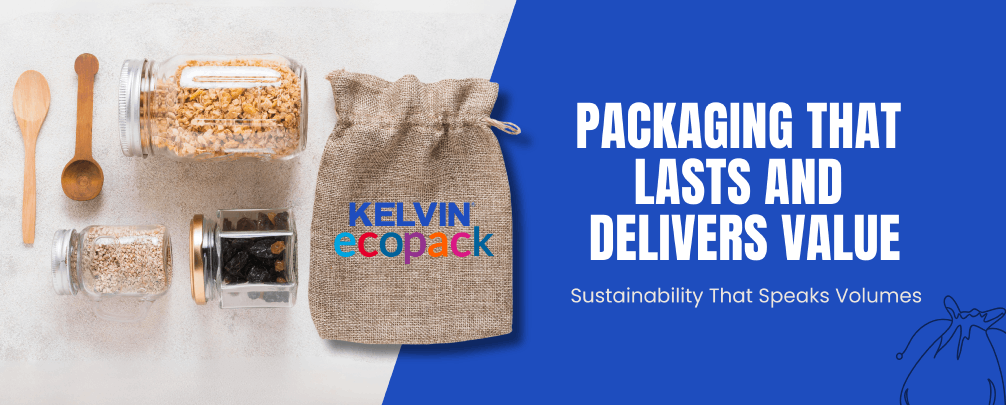
Packaging That Lasts and Delivers Value
Single-use packaging has a very short lifecycle and it is usually thrown away after minutes or hours. Fabric-based bags, like Jute, Juco, Cotton and Canvas, are built for repeated use, extending brand visibility over time. Each reuse subtly supports the brand and demonstrates a commitment to sustainability. Consumers are more likely to retain and reuse bags that feel premium, with studies showing that over 55% of customers keep reusable bags for many months, turning packaging into a constant brand touchpoint.
Sustainability That Speaks Volumes
Modern consumers are environmentally aware and highly conscious of greenwashing. About 88% of consumers say they are more loyal to brands that demonstrate genuine environmental responsibility but more than half admit they can detect superficial sustainability claims. Natural-fibre packaging like Jute and Cotton communicates authenticity immediately, building trust without the need for explanation. For corporates, retailers and NGOs, this trust translates into repeat engagement and stronger brand credibility.
Built for Performance and Scale
Packaging at Kelvin Ecopack is designed to fulfil industry’s practical needs while providing top notch aesthetics. Jute, Juco, Cotton and Canvas are durable materials that guarantee products arrive safely and continue to work even after repeated use. Even a 5–10% decrease in packaging failure can save a wholesome amount of money in large-scale applications while protecting brand integrity in all locations and climates.
The Takeaway
The first thing your customer sees is rarely the product itself. Packaging sets expectations, builds trust and sets values. When packaging is durable, attractive and eco-friendly, it becomes more than just a container. In addition to being sustainable, investing in reusable, high-quality fabric packaging improves perception, loyalty and long-term brand value. This happens because when packaging lasts, impressions do too.
FAQs:
1. Why is packaging the first thing customers notice in retail and e-commerce purchases?
Ans. Packaging is the first physical interaction a customer has with a brand which shapes perception before the product is even seen. Studies show that over 60% of consumers make up a quality judgement based only on packaging feel, design and durability.
2. How does eco-friendly packaging influence buying decisions across different industries?
Ans. Eco-friendly packaging indicates responsibility and intent, which directly affects trust. Nearly 70% of consumers say they are more likely to go for brands that choose and actively use sustainable materials like Jute or Cotton.
3. What packaging features create trust and credibility for corporate gifting and public-sector projects?
Ans. Durability, clean design and reusable materials imply professionalism and accountability. In corporate and public-sector use, packaging that lasts reinforces reliability and reflects long-term thinking rather than short-term cost-cutting.
4. Can sustainable packaging improve brand perception for organic and grocery brands?
Ans. Yes, because packaging is closely tied to authenticity in these categories. More than 60% of shoppers link natural fibre packaging with product purity and ethical sourcing, even before reading the label.
5. What role does packaging play in customer retention and repeat purchases?
Ans. Packaging controls whether a brand is remembered or forgotten. Reusable bags increase market presence over time and customers are more likely to return to brands whose packaging feels premium, practical and thoughtful.