Where Quality Is A Process, Not A Claim
Featuring sustainable solutions by Kelvin Ecopack
Introduction
When we talk about global sourcing, we rarely link quality to a single product. It’s about consistency. Buyers don’t just evaluate how a bag looks in a sample shipment—they assess how reliably quality can be delivered across thousands of units, multiple timelines and different markets. This is where the difference between a claim and a process becomes visible.
At Kelvin Ecopack, quality is not positioned as a marketing promise. It is treated as an operational discipline—built into materials, production flow, people and accountability at every stage.
Quality Starts Long Before Production Begins
In bag manufacturing, nearly 60–70% of final product performance is determined by raw material selection and preparation. Fabric density, yarn strength, weave consistency and finishing treatments all influence how a bag performs over time. That’s why quality control does not begin on the factory floor—it begins at the sourcing stage.
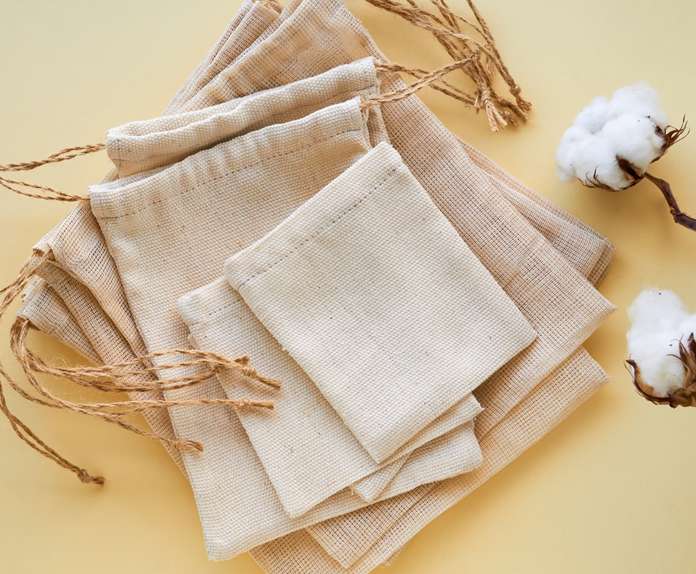
Jute, Juco, Cotton and Canvas each behave differently under stress, weight, moisture and repeated use. A tote that holds its structure after one use may fail after twenty if the fabric balance or stitching tension is misjudged. By standardizing material specifications and testing them before production, variability is reduced early—when it matters most.
Processes Reduce Risk, Not People
Manufacturing at scale introduces natural risk: human error, machine fatigue, timeline pressure. The solution isn’t speed—it’s structure.
Industry studies show that optimized production workflows can lower defect rates by 30–40% when compared to improvised manufacturing environments. Quality relies on trusted processes rather than individual actions thanks to clear sequencing, task specialization and regular checks.
This also makes the workforce more stable. Teams work with confidence, efficiency improves and rework decreases, when processes are properly defined. Moreover, factories with structured quality checkpoints often report up to 20% lower material wastage, directly affecting both cost control and sustainability standards.
Inspection Is Not the Enemy of Craft
There is a common misconception that inspection slows production. In reality, smart inspection accelerates reliability.
Instead of relying solely on end-of-line checks, quality-focused manufacturing integrates inspection at multiple stages—cutting, stitching, assembly and finishing. This layered approach prevents small deviations from compounding into large failures.
For export buyers, this matters. Returns, rejections, or brand complaints cost far more than preventive checks. Studies across textile exports show that early-stage quality interventions can reduce post-shipment issues by over 50%.
Durability Is the Real Sustainability Metric
Sustainability conversations often focus on materials—but durability is just as critical. A reusable bag that lasts one year instead of one season effectively reduces consumption by 70–80% over a five-year period. That impact is far greater than surface-level eco claims.
Quality stitching, reinforced handles, balanced load distribution, and fabric recovery all contribute to longevity. These are not aesthetic choices; they are engineering decisions. When bags are built for repeated use, sustainability becomes measurable—not symbolic.
Why Buyers Pay Attention to Process
For wholesale and export buyers, quality failures don’t just affect margins—they affect trust. Consistent manufacturing processes lead to predictable outcomes, stable timelines, and fewer surprises. That reliability is often the deciding factor in long-term partnerships.
In procurement audits worldwide, over 65% of buyers rank process transparency and consistency above pricing alone. The reason is simple: a slightly higher unit cost is often outweighed by lower risk, fewer disruptions, and stronger brand protection.
The Quiet Confidence of Doing It Right
Quality does not need loud language. When systems are in place, materials are understood, and people are supported by process—not pressure—the results speak quietly but clearly.
At Kelvin Ecopack, the belief is straightforward: good products are not the result of luck or one-time excellence. They are the outcome of deliberate choices, repeated every day, across every order.
Because in serious manufacturing, quality isn’t something you claim.
It’s something you build—again and again.
FAQs
1. How do quality control processes differ from quality assurance in packaging manufacturing?
Ans.Quality control catches defects during and after production, while quality assurance designs the systems that prevent those defects in the first place. Strong packaging manufacturers invest in both, but rely on assurance to keep consistency across large volumes.
2. What role does material quality play in sustainable packaging for organic brands?
Ans.Material quality is determined by durability, load strength and reuse potential. Many times, it accounts for more than 60% of a bag’s real-world performance. For organic brands, better materials mean longer use cycles and a lesser environmental footprint per use.
3. How can e-commerce businesses verify quality consistency in their packaging supplier’s production flow?
Ans.By reviewing documented production stages, in-line inspection points, and repeat-order performance rather than one-off samples. Consistency across shipments is the most reliable indicator of a stable manufacturing process.
4. What quality testing methods ensure eco-friendly packaging maintains product protection standards?
Ans.Eco-friendly materials’ performance under actual shipping and handling conditions can be verified through load testing, stitch-strength checks, and wear simulation. These tests make sure that protection is not sacrificed for sustainability.
5. How does workforce training impact quality outcomes in sustainable packaging production?
Ans.Well-trained teams follow standardized processes more accurately, reducing defects and material waste by up to 20–30%. Training turns quality from an individual effort into a repeatable, scalable outcome.