
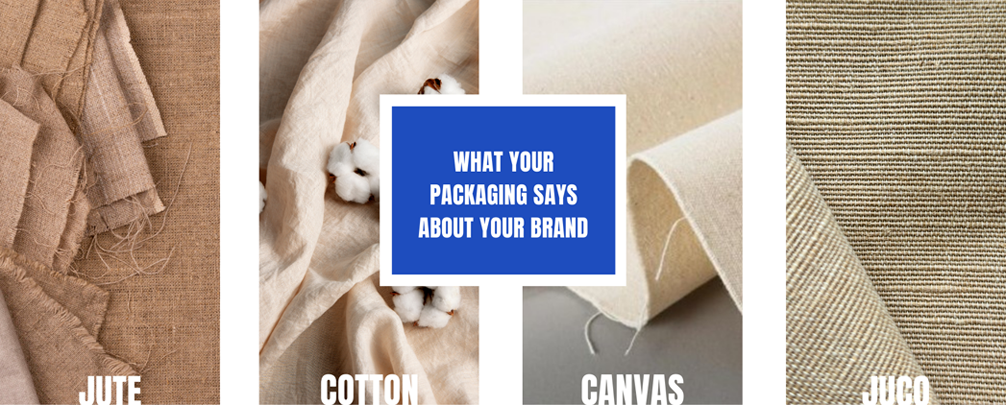
What Your Packaging Says About Your Brand In 2026
Featuring sustainable solutions by Kelvin Ecopack
Introduction
In 2026, packaging is no longer a silent companion to your product. It speaks before your brand does and is often louder. Long before customers experience what’s inside, they read the brand through what they carry out of the store. In a market crowded with choices, packaging has become one of the strongest trust signals a brand can offer.
At Kelvin Ecopack, working closely with global buyers and retailers, one thing has become very clear: packaging is no longer just functional. It is emotional, strategic, regulatory and deeply connected to brand perception.
Packaging Has Become Proof, not a Promise
Consumers in 2026 are far more informed than they were even five years ago. Sustainability claims alone no longer convince them. According to global consumer research, nearly three out of four shoppers actively change their buying behaviour to reduce environmental impact. What they trust most, however, is visible action.
Packaging is that action. A reusable bag made from Jute, Juco, Cotton or Canvas communicates responsibility instantly, without explanation. Customers may not read sustainability reports, but they instinctively understand materials. They know a plastic bag is temporary. They know a fabric bag is meant to last.
What many people don’t realise is that the average plastic bag is used for barely twelve to fifteen minutes, while reusable fabric bags are typically reused thirty to fifty times, often over multiple years. Jute, in particular, absorbs carbon dioxide at a rate significantly higher than trees during cultivation, making it one of the most environmentally efficient natural fibres available. In 2026, these facts matter and customers quietly factor them into their perception of a brand.
Material Choice Shapes Brand Identity
Packaging material subconsciously changes how customers position a brand. Research in consumer psychology continuously implies that heavier, textured and stronger materials are linked with better quality and increased reliability. This is why premium brands invest more in packaging even when the product itself is small.
Customers can instantly understand the language that natural fabrics speak. Jute conveys honesty, strength and environmental consciousness. Juco suggests finding a proper balance between aesthetics and sustainability. Cotton is cozy, dependable and familiar. Finally, Canvas demonstrates longevity, robustness and exclusive intent.
Low-quality paper or thin plastic, on the other hand, convey a completely different message. It
implies low commitment, disposability and short-term thinking. In 2026, customers don’t need to be told whether a brand is superior or responsible. They feel it through the packaging itself.
Reusable Packaging Is Now a Marketing Asset
One of the least discussed but most powerful facts about reusable packaging is its marketing impact. A single reusable bag can generate over five thousand brand impressions during its lifetime. Every time a customer carries it to a grocery store, office, café, airport or market, the brand travels with them.
Disposable packaging ends its journey at checkout. Reusable packaging begins one. In 2026, brands are increasingly recognising that packaging is no longer a cost centre but a long-term brand asset. It offers repeated exposure without recurring advertising spend, making it one of the highest return-on-investment branding tools available.
Packaging Quality Is Now Linked to Product Quality
There is a strong psychological link between packaging and perceived product value. Customers subconsciously assume that if a brand invests in strong, well-designed packaging, it likely invests the same care into the product itself.
This means weak packaging does more than inconvenience to the customer. It creates doubt. If corners are cut here, customers wonder where else they might be cut. In 2026, packaging is not just protecting products. It is protecting credibility.
Durable, reusable bags made from natural fibres communicate reliability and confidence. They make customers feel they made a smart choice, not just a purchase.
Regulations Are Forcing the Shift Forward
Regulation is making sustainable packaging more important than most people realize. Governments in Europe, the UK, some regions of North America and Asia-Pacific are tightening regulations on single-use plastics and requiring packaging to comply with sustainability standards.
Rising costs, limited market access, last-minute redesigns and strained retailer relationships are all consequences for brands that don’t adapt. Brands that use reusable, natural-fiber packaging early on, on the other hand, gain stability and prepare for the future. In 2026, sustainable packaging is not just ethical branding. It is operational risk management.
Customisation Reflects Brand Maturity
Generic packaging signals convenience. Custom packaging signals clarity.
Brands that customize their bags by choosing specific fabrics, sizes, GSMs, printing techniques and finishes show that they understand their positioning and audience. Screen printing, embroidery, digital printing, and premium finishes on natural fabrics transform packaging from a carrier into a brand statement.
In 2026, custom packaging quietly tells customers that a brand knows who it is and where it is going. That confidence is noticed.
When Packaging Says Nothing, It Still Says Something
One of the most overlooked aspects of packaging is silence. Packaging that offers no reuse value, no material story and no durability communicates indifference.
Customers may not complain, but they remember. In 2026, silence is interpreted as lack of care. Brands do not need to shout sustainability, but they must show it. A reusable bag made from natural fibres communicates responsibility without words.
Why Brands Are Choosing Us
For international markets, we at Kelvin Ecopack produce and export high-quality Jute, Juco, Cotton and Canvas bag solutions. We are not just concerned with production. We create packaging that performs better, lasts longer, complies with international regulations and enhances brand perception with each use.
We believe packaging should work beyond the point of sale. It should travel, endure and represent the brand long after the purchase is complete.
The Message Your Packaging Sends in 2026
In 2026, your packaging answers one question instantly for customers.
Is this a brand built for the future or one simply keeping up?
Reusable, sustainable, thoughtfully designed packaging does not shout. It does not need to. It quietly proves that your brand understands quality, responsibility and long-term value.
Also, when we talk about a market where customers observe more than ever, the message that is conveyed to them plays a very important role.
FAQs:
1. How does packaging influence brand perception in 2026?
Ans. In 2026, packaging gives the first impression of a brand before the product is even used. Customers associate durable and reusable packaging with quality, responsibility and long-term brand thinking.
2. What packaging elements matter most to consumers when choosing a brand?
Ans. Yes, more than logos or slogans, consumers pay attention to material quality, reusability and general durability. Jute, Juco, Cotton and Canvas are examples of natural textiles that instantly convey value and trust.
3. Why is sustainable packaging becoming a brand trust signal in 2026?
Ans. Reusable packaging proves commitment because consumers trust visible action more than claims. A bag that is meant to last long and also shows environmental responsibility does not need an explanation.
4. How does packaging design affect customer loyalty and repeats purchases?
Ans. Well-designed, reusable packaging stays in use long after purchase, keeping the brand visible and familiar. This repeated exposure builds trust and encourages customers to return.
5. What packaging mistakes can negatively impact a brand’s image in 2026?
Ans. While using fragile and single-use materials or generic designs signals short-term thinking. In 2026, disposable packaging quietly fades away credibility and customer confidence.